

Your wards are in safe hands
Our CCTV surveillance significantly enhance security and provide a safer environment for students, our staff, and visitors. Here are the key features that make our CCTV surveillance effective:
Strategically Placed Cameras
Cameras installed at key locations, including entrances, exits, hallways, playgrounds, parking areas, and common areas to ensure full coverage of the school premises.
Central Monitoring Station
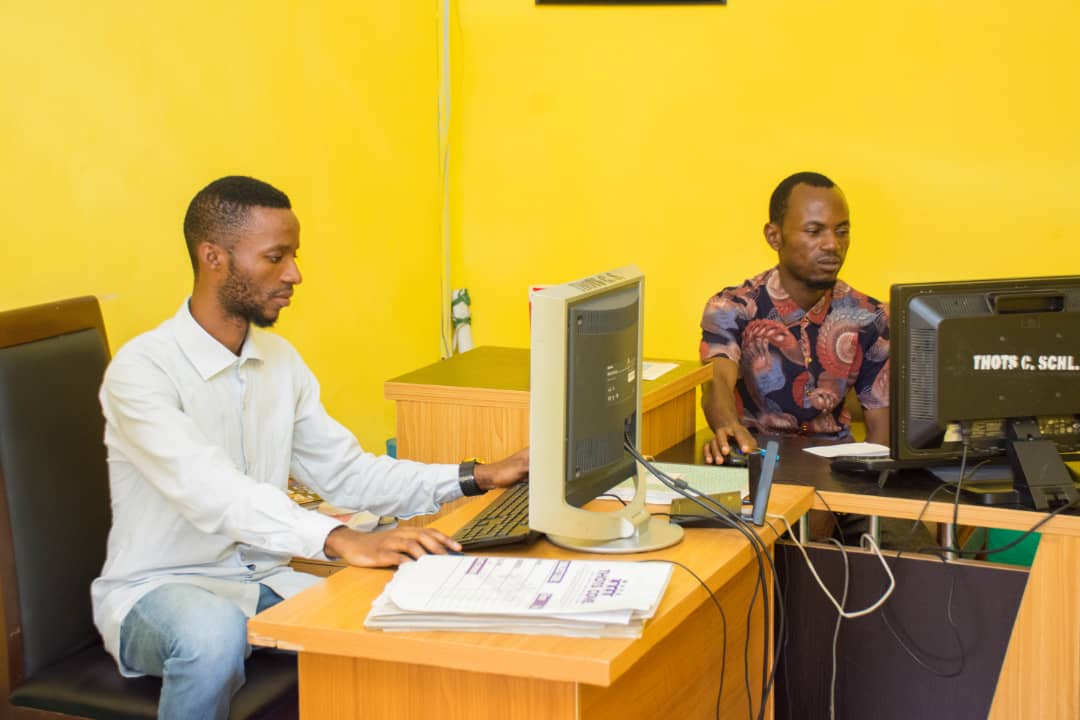
A dedicated room or area where security personnel can monitor live feeds from all cameras.
Comprehensive Coverage:
- Wide-Angle and Pan-Tilt-Zoom Cameras: Use of advanced cameras to cover larger areas and provide detailed views as needed.
High-Quality Video:
- High-Resolution Cameras: Ensuring clear and detailed video footage for accurate identification and monitoring.
- Night Vision Capabilities: Cameras with infrared or low-light capabilities to maintain visibility during night time or low-light conditions.
3. Real-Time Monitoring:
- Central Monitoring Station: A dedicated room/area where security personnel monitors live feeds from all cameras.
- Remote Access: Secure remote access for authorized personnel to view live or recorded footage from any location.
4. Recording and Storage:
- Continuous and Motion-Activated Recording: Options for continuous recording or motion-activated recording to save storage space and highlight significant events.
- Secure Data Storage: Reliable storage solutions, such as cloud storage or on-site digital recorders, with adequate capacity and backup systems to ensure data integrity and availability.
5. Privacy and Compliance:
- Privacy Zones: Configurable privacy masks to exclude sensitive areas from surveillance, such as restrooms and changing rooms.
- Compliance with Regulations: Adherence to local laws and regulations regarding surveillance, data protection, and privacy.
6. Integration with Other Security Systems:
- Access Control Systems: Integration with access control systems for automated monitoring of entrances and restricted areas.
- Alarm Systems: Linking CCTV with alarm systems to provide immediate visual verification of alarm events.
7. User-Friendly Interface:
- Intuitive Software: Easy-to-use interface for accessing, managing, and reviewing footage.
- Search and Playback Features: Efficient tools for searching, retrieving, and reviewing recorded footage based on time, date, or event.
8. Maintenance and Support:
- Regular Maintenance: Scheduled maintenance to ensure cameras and recording systems are functioning correctly.
- Technical Support: Access to professional technical support for troubleshooting and resolving any issues promptly.
9. Safety and Training:
- Training for Staff: Regular training sessions for school staff on the use of CCTV systems, privacy policies, and emergency procedures.
- Safety Protocols: Established protocols for responding to security incidents and emergencies, informed by CCTV footage.
10. Community Involvement:
- Transparent Policies: Clear communication with parents, staff, and students about the presence and purpose of CCTV surveillance to foster trust and cooperation.
- Feedback Mechanism: Channels for the school community to provide feedback on the CCTV system and its impact on the school environment.
Implementing a well-planned and maintained CCTV surveillance system can significantly enhance the safety and security of a primary school, creating a secure environment conducive to learning and growth.